
The Impact of Weather on Road Quality and Longevity
Weather plays a critical role in the performance and longevity of road surfaces. Every day, roads are exposed to different weather conditions that can either strengthen or weaken them. Understanding these impacts is essential for effective planning and maintenance. Adverse weather conditions such as heavy rain, extreme temperatures, and freezing conditions can deteriorate paving materials over time. This makes it important for construction companies and road maintenance teams to consider the climate when planning projects.
The Influence of Heat on Pavement
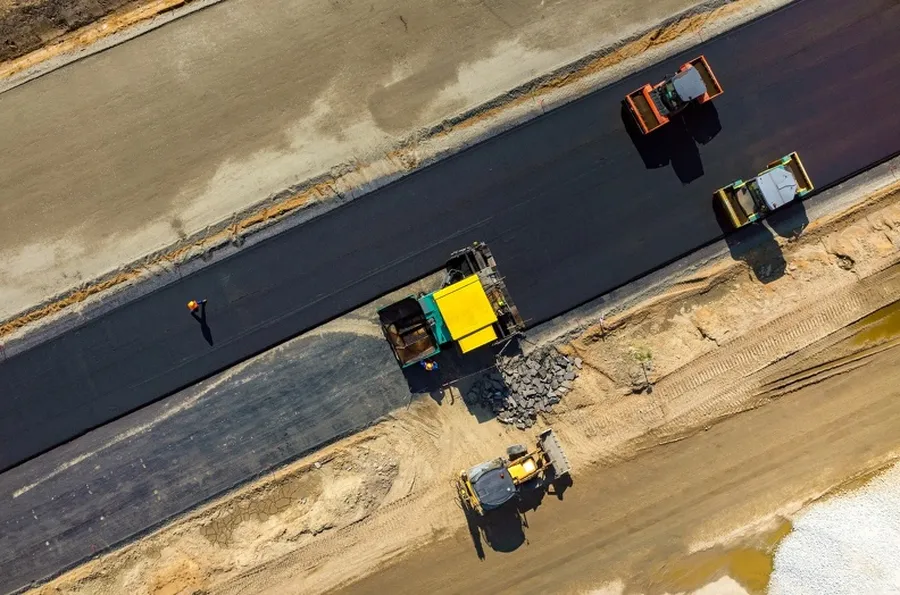
High temperatures can significantly affect the quality of asphalt paving. When exposed to excessive heat, asphalt tends to soften, which can lead to surface rutting-a condition where indentations appear in the pavement under heavy loads. These deformations not only affect driving comfort but also compromise road safety. Therefore, using heat-resistant materials during hot seasons is crucial. By opting for advanced compounds that withstand higher temperatures, we ensure longer-lasting road surfaces.
Rainfall and Its Effects on Surface Integrity
Rainwater, especially in large amounts, poses another challenge for asphalt paving. Water infiltration can cause the aggregate base below the paving to weaken, leading to cracking and potholes. To mitigate this, high-quality drainage systems should be integrated into road designs to direct water away from the pavement efficiently. Ensuring proper compaction during installation also helps reduce water penetration.
The Problem With Cold Weather
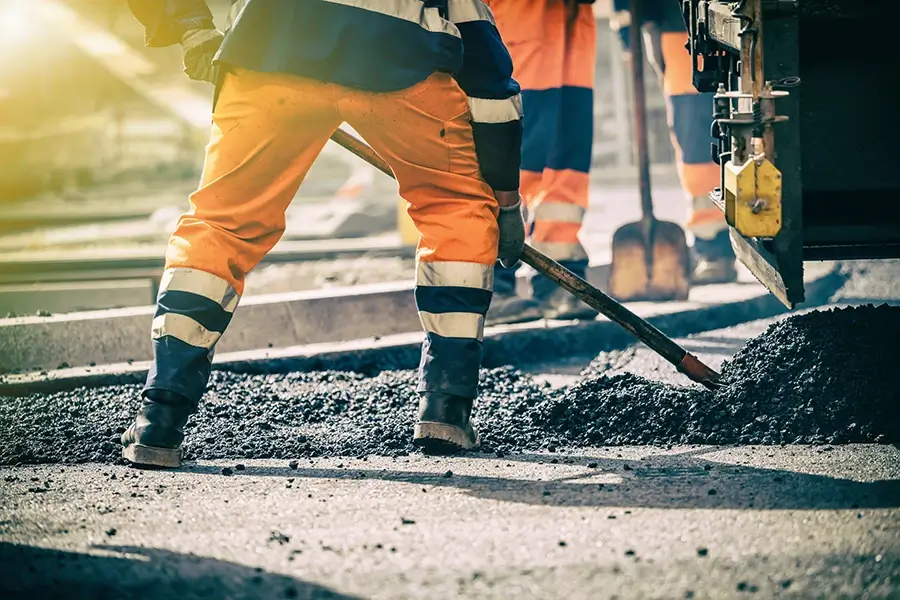
Freezing temperatures bring about their own set of issues. Asphalt paving becomes brittle and susceptible to cracking when temperatures drop. The freeze-thaw cycle is particularly damaging; water seeps into cracks, freezes, expands, and causes further fracturing. Using cold-weather-resistant materials and sealants can help protect pavements during the winter months. Regular inspections and timely repairs also prevent minor damages from worsening.
Wind’s Role in Asphalt Durability
While wind isn’t as directly damaging as other factors, it can exacerbate problems caused by temperature fluctuations and precipitation. Strong winds often carry dust and debris that can clog drainage systems, inhibiting their effectiveness. Keeping drains clear ensures that they function properly, reducing the risk of water damage.
Best Practices for Mitigating Weather Impacts
To counteract the effects of harsh weather on pavements, following industry best practices is advisable:
- Choose appropriate materials for specific climates
- Install efficient drainage systems
- Conduct regular maintenance checks
- Apply suitable sealants to protect against moisture
- Ensure skilled labor during installation
The Importance of Proper Timing for Projects
Timing is an often-overlooked factor in ensuring successful pavement projects. Planning installations or major repairs during ideal weather conditions-such as moderate temperatures and dry spells-enhances the quality of work. It allows materials to cure properly without adverse environmental interference. Organizing schedules around favorable forecasts guarantees better results.
Conclusion: Partnering With Experts for Quality Results
Understanding how weather affects road surfaces helps in making informed decisions about paving projects. Partnering with experienced professionals ensures that every aspect-from material selection to timing-is optimized for your location’s climate. For those located in Duluth, GA, our team at JW Paving and Seal Coating specializes in delivering durable solutions tailored to local environmental needs. Reach out today at (770) 697-7824 for expert advice and top-tier service.