
Understanding the Impact of Climate on Pavement Durability
Weather plays a crucial role in construction, influencing many aspects of outdoor projects. For pavements, climate conditions can make or break the installation process and longevity. Whether you are planning a new walkway or driveway, understanding the effects of weather is essential to ensure durability and performance. This guide sheds light on how different weather conditions affect pavers, offering insights into best practices for maintaining their quality over time.
The Role of Temperature in Pavement Durability
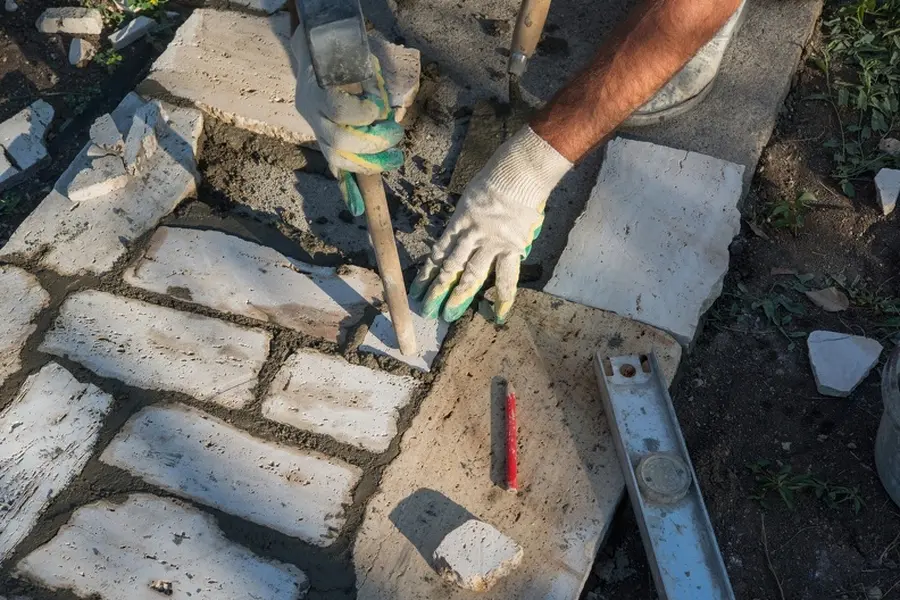
Temperature variations significantly impact the lifespan of pavements. Extremely hot conditions cause materials to expand, while cold temperatures lead to contraction. This constant expansion and contraction can result in cracks and other structural issues. It’s vital to consider local temperature ranges before proceeding with paver installation. Selecting materials that withstand these fluctuations will help maintain the integrity of your pavement.
Rainfall’s Effect on Pavements
Pavements need proper drainage systems as rainfall can quickly deteriorate them. Excessive water accumulation weakens the base material, leading to shifts and instability. During the paver installation phase, ensure effective drainage solutions are integrated. This prevents water from pooling and maintains pavement stability.
Snow and Ice Challenges
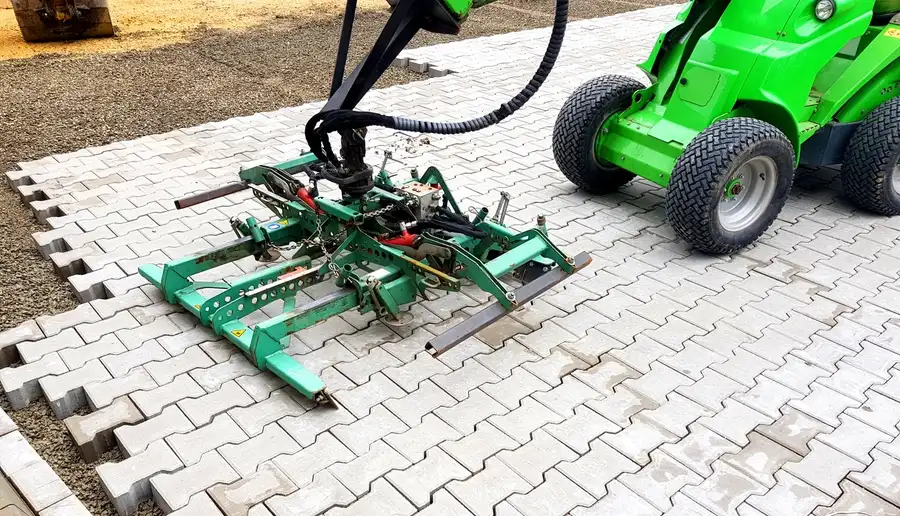
In colder regions, snow and ice pose significant threats to pavement quality. Freezing water expands within the material, causing cracks. The repeated freeze-thaw cycles exacerbate this problem, making it critical to address during paver installation. Using de-icing agents sparingly and opting for salt-resistant materials can mitigate these issues.
Wind Influence on Outdoor Installations
Strong winds may not directly damage pavements but contribute to erosion and debris accumulation. Over time, this can wear down surfaces and reduce their longevity. Regular maintenance, including sweeping and debris removal, is crucial for keeping pavements in top condition. Addressing wind-related concerns early helps in extending the life of your installations.
Humidity’s Hidden Threats
High humidity levels often go unnoticed yet have a profound effect on construction materials. Moist environments foster mildew and mold growth, which compromise the structural integrity of pavements. Sealants designed for humid climates provide an added layer of protection against moisture-related damage.
Best Practices for Maintaining Pavements
- Schedule regular inspections to catch potential problems early.
- Choose high-quality materials that suit your specific climate conditions.
- Implement efficient drainage systems to manage rainwater effectively.
- Apply sealants periodically to protect against moisture and UV exposure.
Planning for Long-Term Success With Your Pavements
Your climate-specific strategy doesn’t end with choosing the right materials; it includes ongoing care and adjustments based on seasonal changes. Keep an eye on evolving weather patterns and update your maintenance routine accordingly. Proactive measures ensure your investment stands the test of time, providing value for years to come.
Contact Us for Expert Guidance
If you’re ready to improve your outdoor spaces, our team at JW Paving and Seal Coating is here to help. We offer expert advice tailored to your local climate needs. Reach out at (770) 697-7824 for personalized consultation services. Based in Duluth, GA, we bring our expertise directly to you, ensuring successful project outcomes every time.