
Understanding the Importance of Weather in Pavement Maintenance
Maintaining asphalt surfaces requires attention to specific weather conditions. The right climate plays a crucial role in applying protective measures, such as those needed during maintenance tasks. A good understanding of these conditions can lead to better results and longer-lasting protection for your pavement. This article explores how various weather elements affect asphalt treatment and offers guidelines for achieving optimal outcomes.
How Temperature Influences Application Success
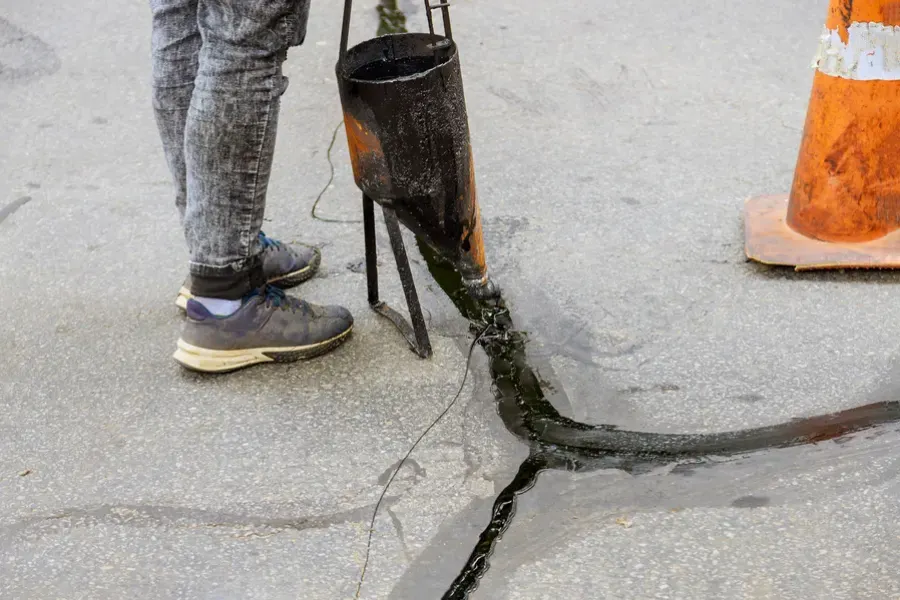
Temperature is a key factor when considering pavement care techniques like sealcoating. The process works best within a certain temperature range. Ideally, temperatures should be between 50°F and 85°F. These conditions ensure the product adheres properly and cures well, providing effective protection against weathering and wear.
The Role of Humidity in Performance
Humidity levels also impact the effectiveness of treatments applied to paved surfaces. High humidity can slow down drying and curing times, potentially leading to uneven application. For optimal results, aim for humidity levels below 60%. This will help prevent issues and allow for faster turnaround times on projects.
Sunlight’s Impact on Drying Times
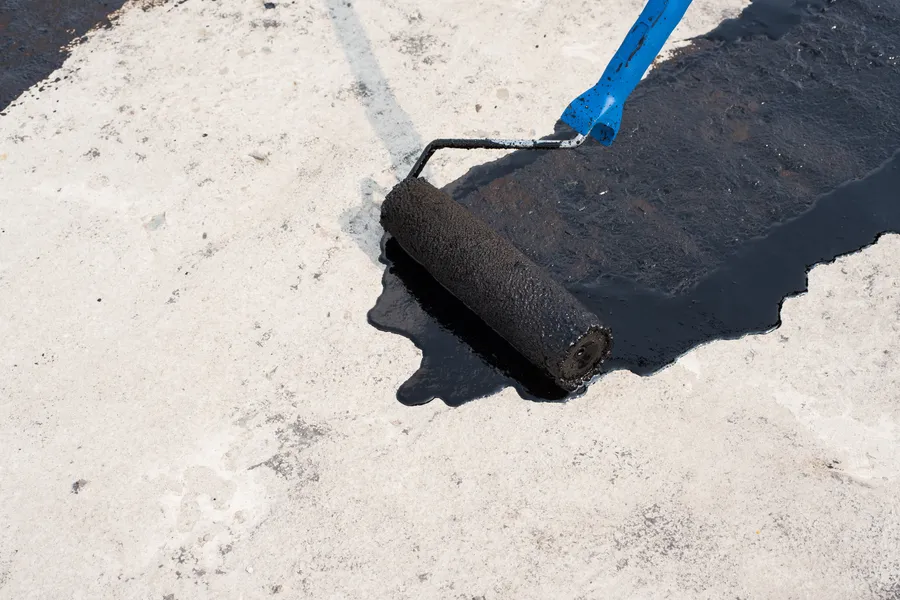
Direct sunlight accelerates the drying process, which can be beneficial when working with sealants. It promotes quicker setting, reducing downtime for treated areas. However, it’s important to monitor exposure carefully to avoid overly rapid drying that may cause cracking or poor adhesion.
Avoiding Precipitation During Application
Rain can significantly hinder the success of pavement care procedures. Moisture interferes with bond formation and leads to poor performance over time. To ensure effective results, schedule treatments at least 24 hours before any expected precipitation. This precaution prevents moisture-related problems from occurring.
Choosing the Right Season for Optimal Results
Seasonal changes influence the feasibility of outdoor maintenance activities. Spring and fall are usually the most favorable times due to their moderate weather patterns. By planning around these seasons, you maximize efficiency and enhance long-term performance of your paved surfaces.
- Ensure temperatures are consistently above 50°F
- Check humidity levels before beginning work
- Avoid rainy days by consulting weather forecasts
- Schedule during spring or fall for ideal conditions
Industry Standards and Compliance Requirements
Adhering to industry standards is essential for successful pavement care processes. Regulatory bodies provide guidelines on environmental factors that must be considered during application. Complying ensures not only safety but also enhances the longevity of your asphalt surfaces.
Cost Factors and Value Considerations
While quality materials might have a higher upfront cost, they offer greater durability and return on investment. Weighing initial expenses against long-term benefits helps determine the best approach for maintaining your property.
Your Next Steps Towards Effective Asphalt Care
If you’re looking to maintain your paved surfaces efficiently, consider contacting us today at (770) 697-7824. Located in Duluth, GA, our experienced team delivers top-notch services tailored to your needs. At JW Paving and Seal Coating, we prioritize quality and customer satisfaction in every project.